
Blog
From Oats to Oatmeal: How Processing Changes the Grain
How do I know which one should I eat?
 Dr. Lawrence KosinskiFounder & Chief Executive Officer4 min read
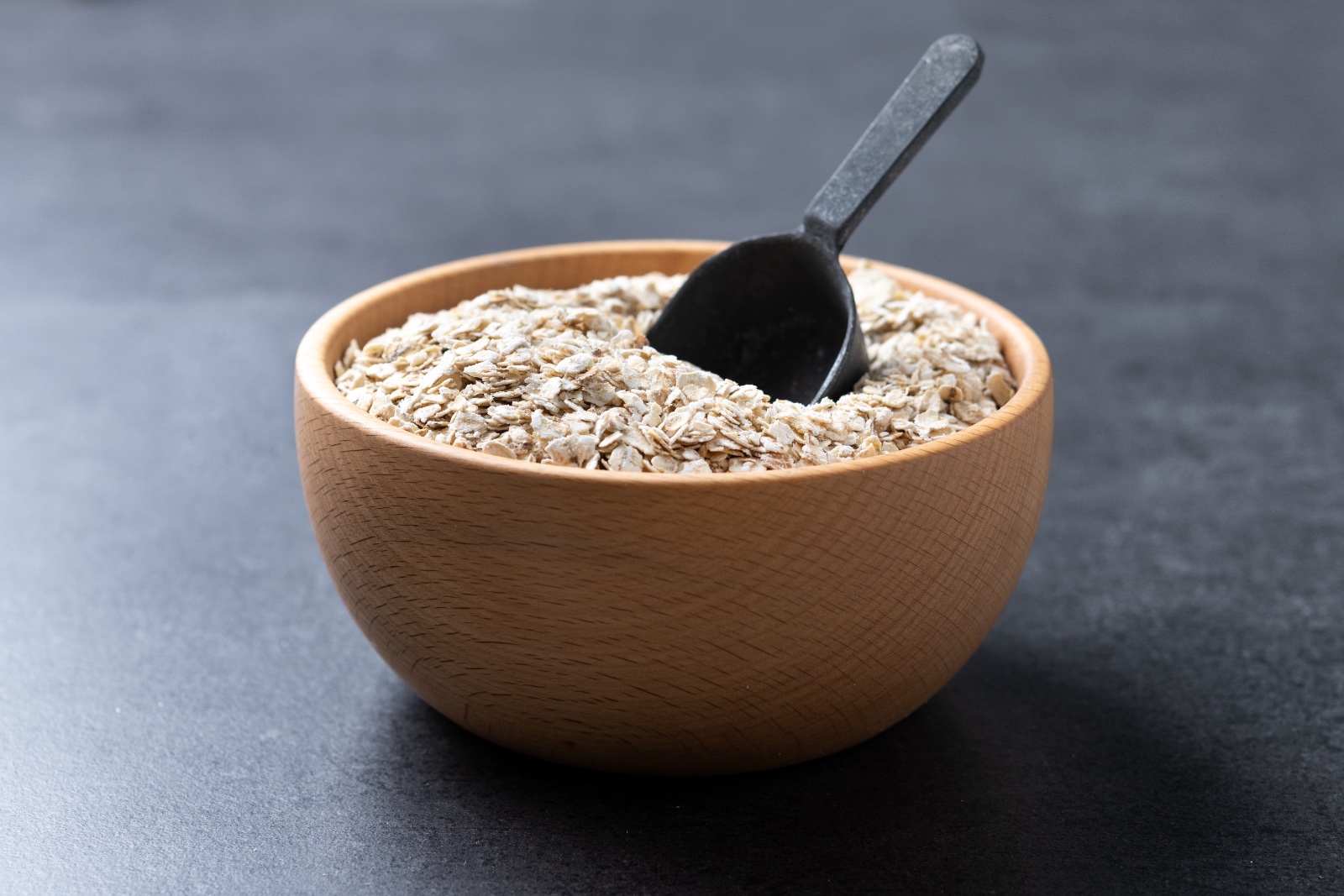
There are so many kinds of Oats out there today: steel-cut, rolled, steamed, overnight, instant, etc. Which one is the best for gut health? How do I choose? With so many options, it can be hard to know which type to choose for gut health.
What Matters When Choosing Your Oats
We've all heard that whole grains are part of a balanced diet and a source of fiber that supports our gut. But a food can be made from "whole grain" and still not give you whole-grain benefits. It all comes down to how the manufacturer processes the oat grain and how the cook prepares it.
Oats contain beta-glucan, a soluble fiber, and products vary in how much they provide. Processing does not automatically remove all fiber or cancel the benefits of whole grains. Processing changes the size and structure of the oat pieces, which can affect how quickly they cook and how quickly their starch is digested. In general, less-processed oats retain more of the grain’s original structure and tend to produce a slower blood glucose response.
Let’s look at how different types of oats are processed and how that affects cooking time, texture, and digestion.
How Oats are Processed
Manufacturers process oats in many different ways, including dehulling, pearling, milling, grinding, cutting, rolling, flaking, extrusion, parboiling, and industrial steaming or precooking. Processing doesn't automatically remove all fiber or cancel the benefits of whole grains, but the more processed the oats are, the faster they digest, and the more starch the small intestine can absorb. This turns them into sugar calories that may leave less fermentable material to reach the colon, potentially reducing how much the microbiome can eat to produce healthy short-chain fatty acids.
Whole Oat Groats
The inedible outer hull is removed; the oat kernel remains largely intact. This is the least disrupted grain structure. Being the least processed, it takes the longest to cook. It has a chewy texture and nutty flavor.
Steel-Cut Oats
These are groats cut into smaller pieces rather than flattened. Typically, they retain more physical structure than rolled or instant oats, although cooking temperature and time matter. You want to cook them gently. Steel-cut oats are my favorite. I like to simmer them until they are "al dente".
Rolled Oats
This is the format most products use: groats that are steamed and then flattened. The steaming process disrupts the oat structure, which can affect how quickly it's digested. They cook faster than steel-cut oats, remain a convenient whole-grain option, and provide fiber, including beta-glucan.
Quick Oats
These are rolled oats cut smaller or rolled into even thinner flakes, generally leading to faster starch digestion after preparation. They cook quickly, have a softer texture, and are generally digested faster than larger oat pieces.
Instant Oatmeal
Oats are processed into thin flakes or smaller pieces and often partially cooked before packaging. They typically have a higher glycemic index, although nutrient content varies by product and added ingredients.
Ready-to-Eat Oat Cereals
Although they start as a whole grain, which gives the manufacturer the right to label them as such, but they might not have much residual fiber by the end of processing. To shape a cereal into an "O," a square, or a flake, it must undergo extensive processing. This requires milling, grinding, rolling, flaking, boiling, industrial cooking, and extruding. Extensive processing can alter the original grain structure. What remains is mostly flour, which our enzymes can digest into sugar that is then absorbed in the small intestine. Some ready-to-eat cereals contain more digestible starch and less intact fiber, so check each product's nutrition label.
Overall, minimally processed steel-cut oats retain more of the grain's original structure than more heavily processed oats. As a result, more fermentable fiber may reach the colon, where gut microbes can ferment it into healthy compounds like short-chain fatty acids.
Where VIOVOC Can Help When Choosing Your Oats
The VIOVOC sensor provides personalized wellness insights about how your diet may relate to your gut. VIOVOC’s V-Factor is designed to help users track daily patterns and explore which foods and amounts of fiber fit their personal V-Zone. VIOVOC also rates fiber-containing foods for fiber content and calories, then uses a person’s V-Factor to curate food suggestions.
About the author
Dr. Lawrence Kosinski
Dr. Lawrence Kosinski founded VIOVOC after 35 years as a practicing gastroenterologist and co-founding the largest GI practice in Illinois. He leads the science behind the VIOVOC Sensor and the Virtual Fiber Coach.
VIOVOC® is for wellness purposes only and does not provide medical advice, diagnosis, or treatment. Always consult with a healthcare professional.