
BlogThe Science
How the VIOVOC® Sensor Reads Your Gut
Your gut is talking to you every day. Most of us just never learn to listen.
 McKenna L. BrooksDirector of Marketing & DTC, VIOVOC6 min read
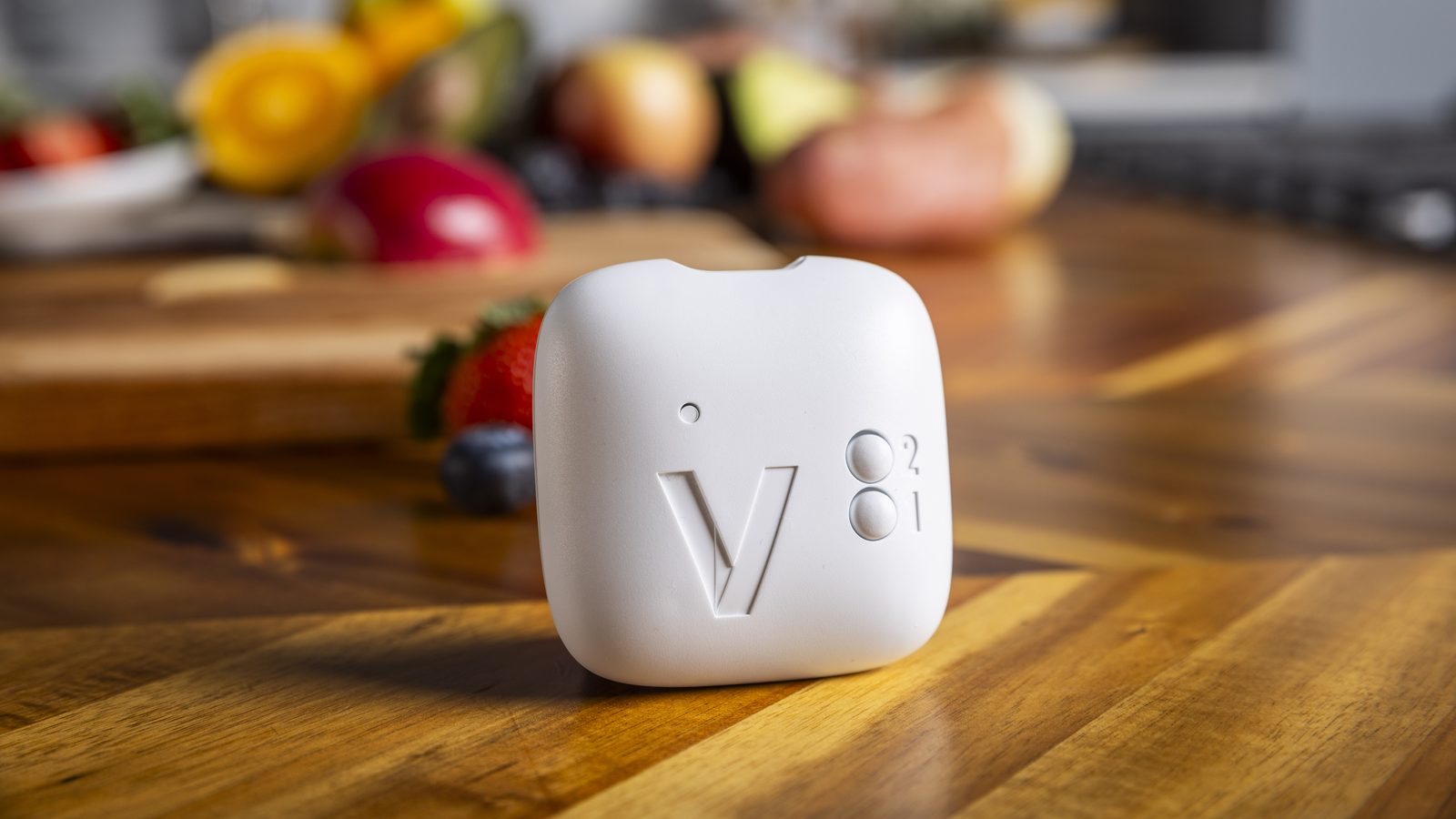
We count calories, track steps, and log our sleep. But one of the most important signals about our health happens quietly, in the bathroom, and we flush it away without a second thought. That signal tells a story about fiber, about the trillions of microbes living in your gut, and about how well your body is set up to manage weight and stay healthy.
The VIOVOC® Sensor was built to read that signal. Here’s the science behind how it works, and why it matters.
Fiber is food, just not for you
Think of your gut as one long, 25-foot tube that runs from your mouth to your rectum. Food is chewed, broken down by acid in the stomach, and then digested and absorbed in the 18-foot small intestine.
Fiber is the part your body can’t absorb. It comes from fruit, green vegetables, legumes, and grains, and it passes right through to the colon. That’s where things get interesting.
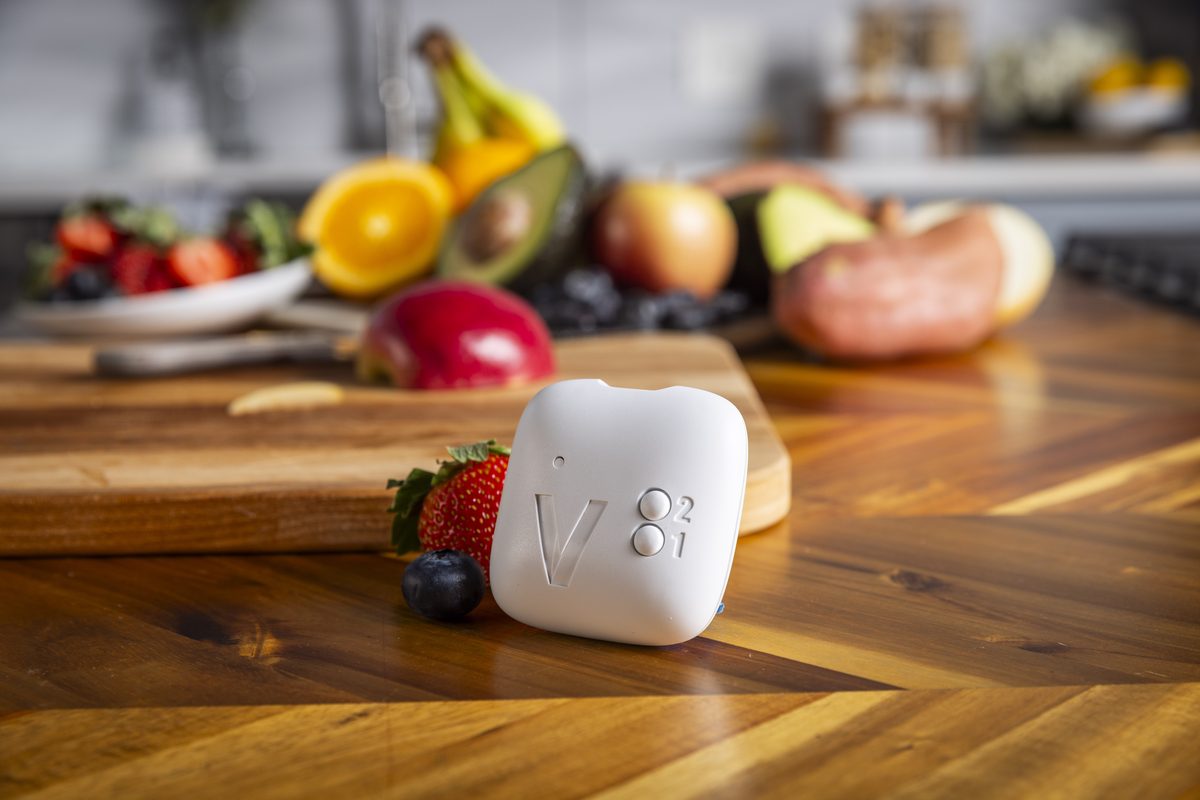
Your colon is home to your microbiome: trillions of bacteria and other microorganisms. There are so many of them that the microbiome carries more DNA than the rest of your body combined. And your microbiome is as unique as your fingerprint.
Those microbes eat the fiber you can’t. Not all fiber is the same, though:
Fermentable fiber
Feeds your microbiome, which breaks it down into compounds your body uses.
Unfermentable fiber
Adds bulk to your stool and passes out with each bowel movement.
Every fiber-rich food has its own mix of fiber types, and your microbiome ferments each one differently. So it’s not just how much fiber you eat. The type of fiber matters too.
Short-chain fatty acids: small, smelly, and powerful
When your microbiome ferments fiber, it produces tiny molecules called short-chain fatty acids, or SCFAs. Your microbes use some of them, and they pass the rest on to you.
SCFAs have been shown to boost your body’s own production of GLP-1. Yes, your body makes its own GLP-1, the same hormone that today’s popular weight-loss medications are built around. GLP-1 helps reduce hunger and helps you feel full.
Yes, your body makes its own GLP-1.
SCFAs also help steady your immune system and calm inflammation. That’s why fiber is about much more than staying regular.
There’s a catch. Fermentable fiber also carries calories. Too little starves your microbiome, so you miss the benefits. Too much can add calories that lead to weight gain. The goal is the right amount and the right type for your gut.
One more thing about SCFAs: they’re volatile, meaning they turn into vapor easily. When you have a bowel movement, some of them are released into the air. They may not smell great, but they hold real information about what’s happening inside you.
How the VIOVOC® Sensor reads your gut
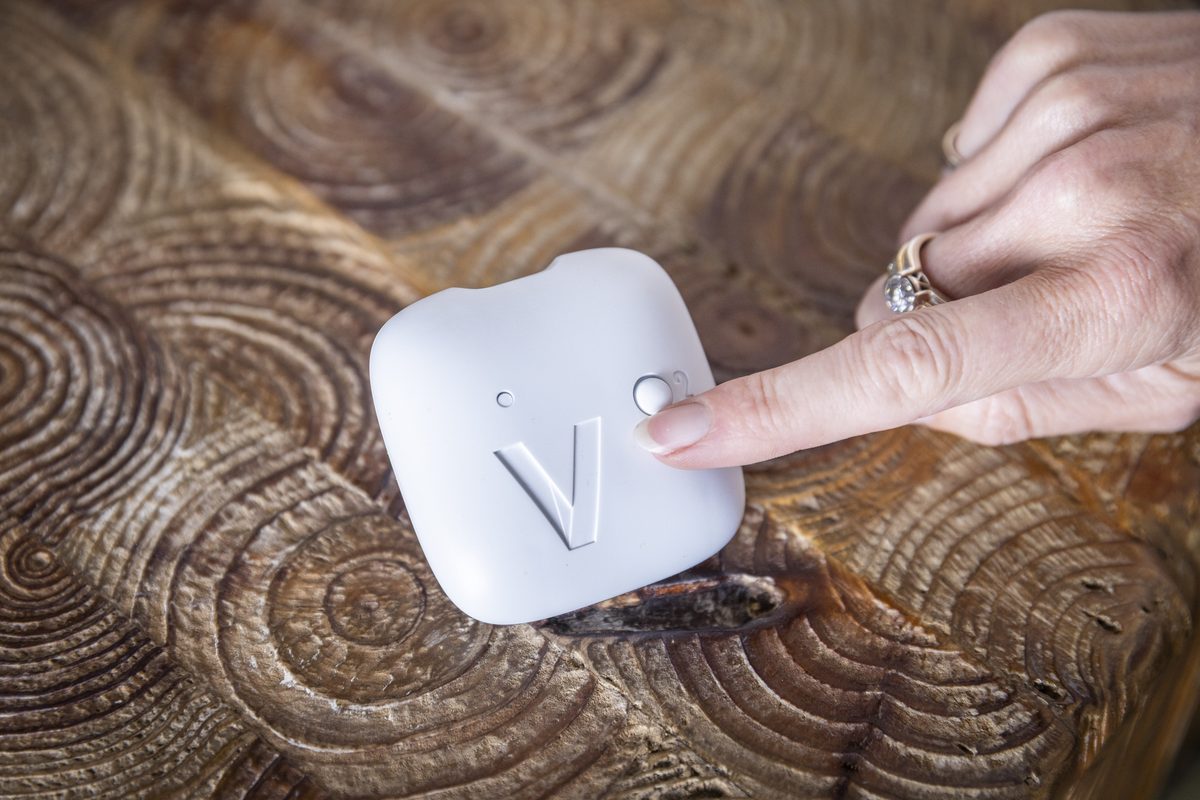
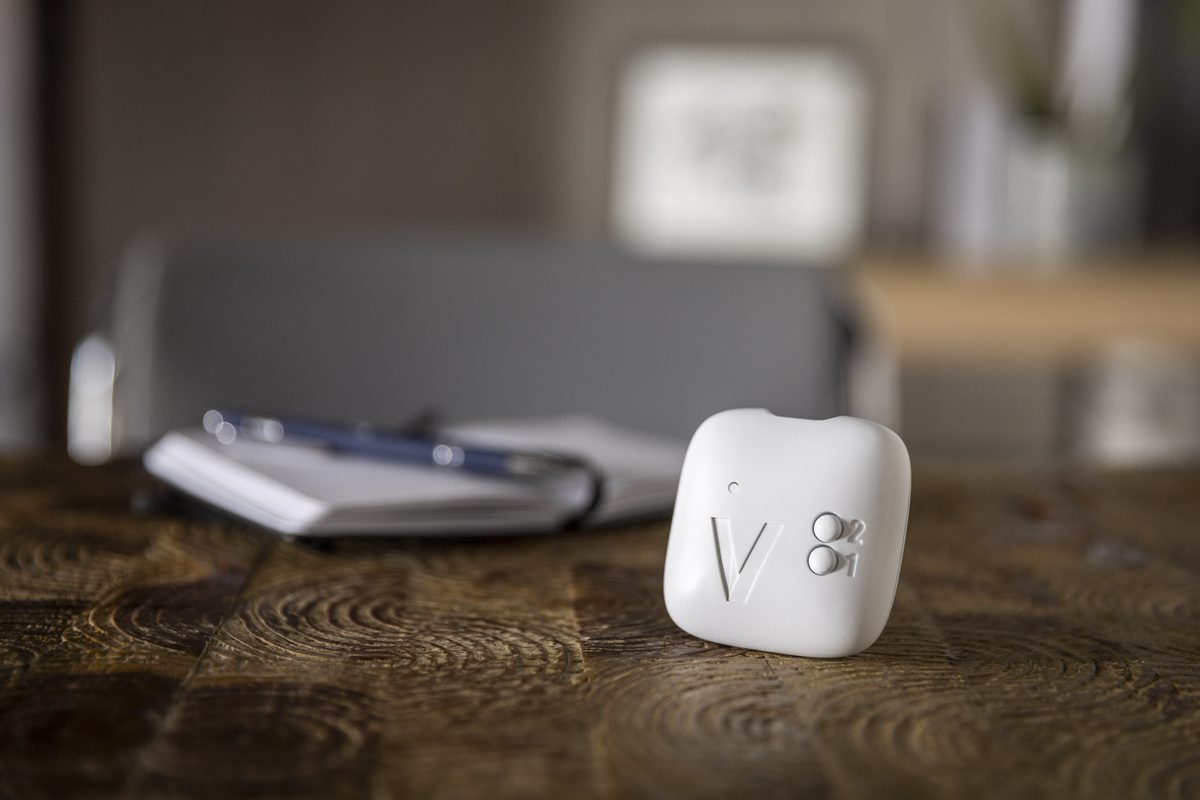
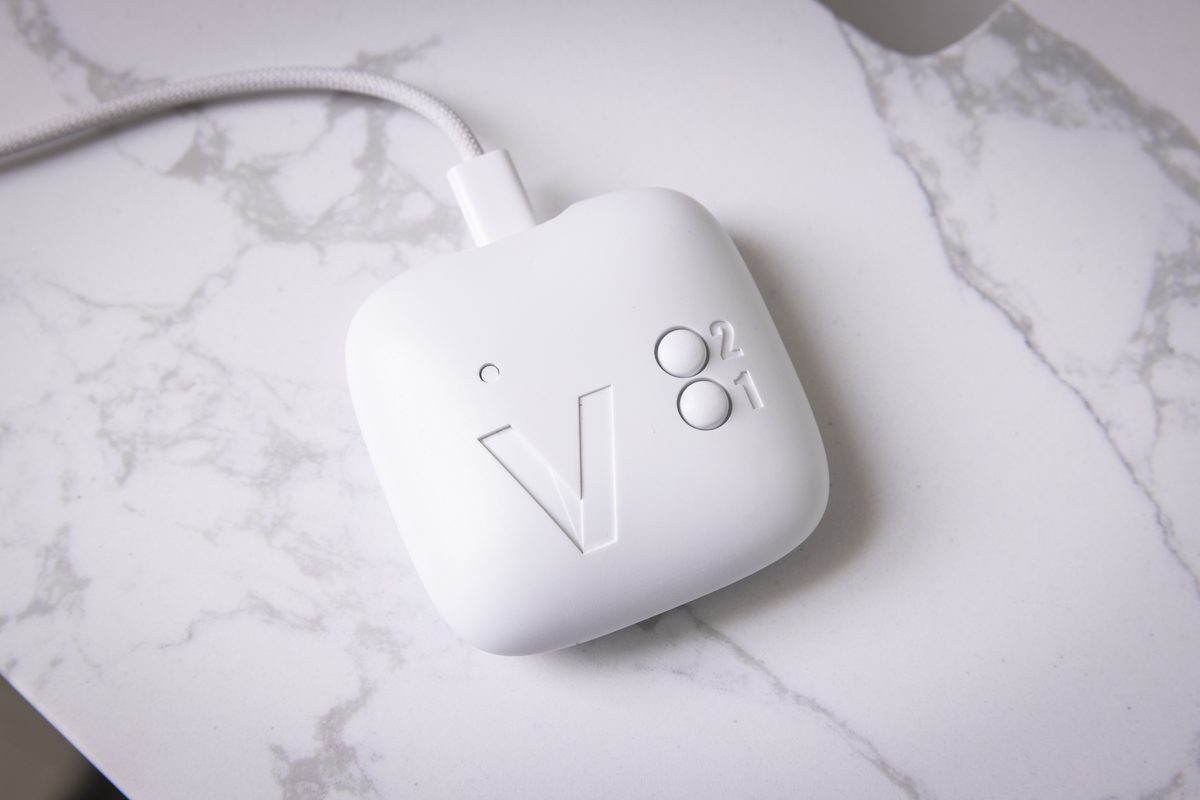
The VIOVOC® Sensor is an electronic nose, or e-nose. It captures the vapors released after a bowel movement, including the SCFAs your microbiome made from the fiber you ate.
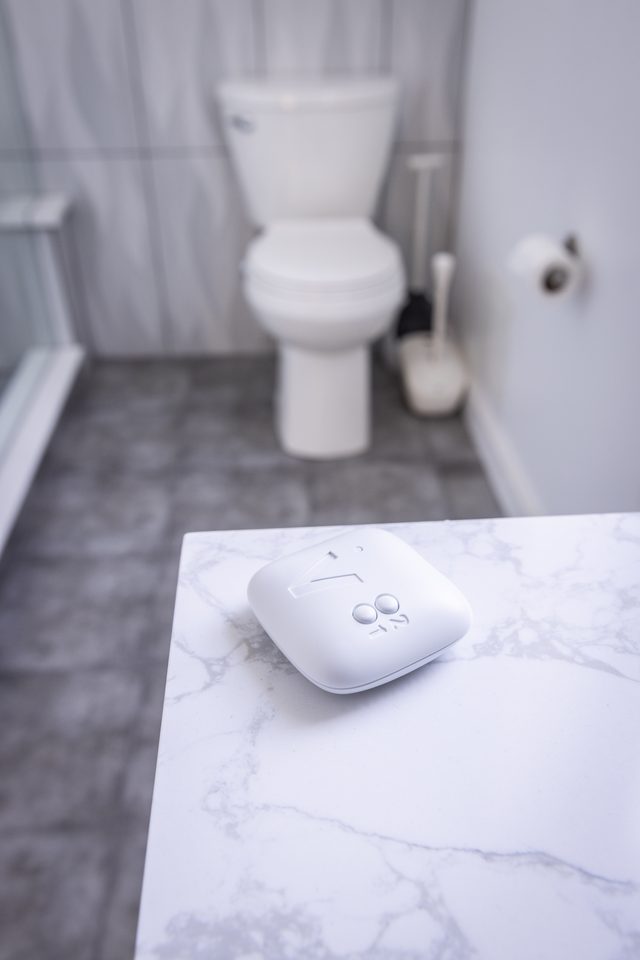
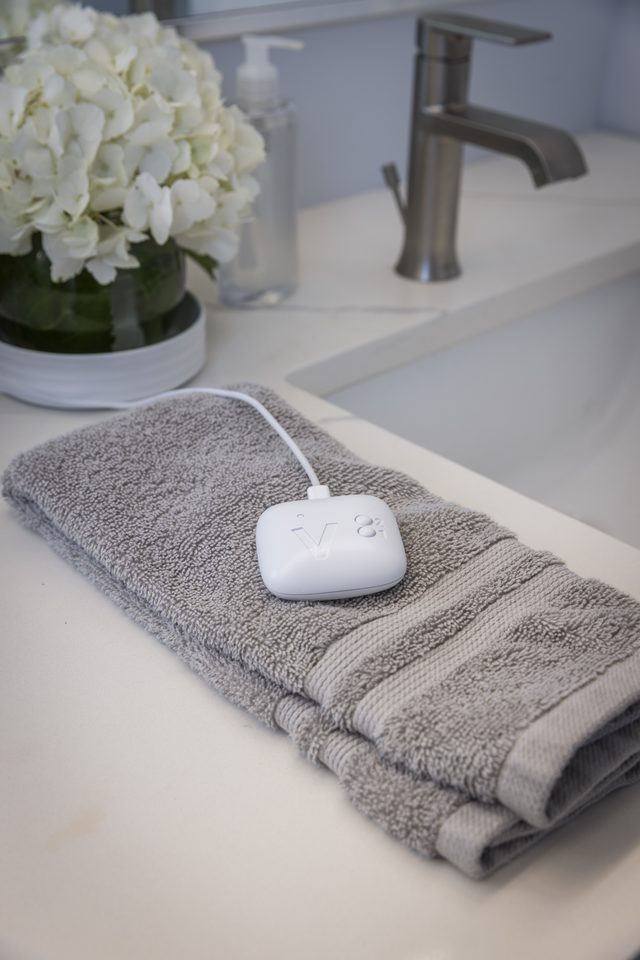
Using it is simple:
- Place it in your bathroom. It sits anywhere within 10 feet of your toilet. No contact, no samples, nothing to collect.
- Let it watch the air. The sensor checks the air around it every 3 seconds.
- Press the button. When you press it, the sensor knows the reading that follows is from your bowel movement.
In published research, the sensor’s readings tracked closely with how much fermentable fiber people were eating. In other words, it gives you a window into how your microbiome is responding to your diet, without a lab test.
From readings to results: V-Factor, V-Zone, and your Fiber Coach
Raw sensor data isn’t much use on its own. So VIOVOC® turns it into three things you can act on.
Your V-Factor
A simple daily score that measures your personal fermentable fiber intake. It shows on a gauge with a “Goldilocks” reading: too low, too high, or just right.
Your V-Zone
Your personal target range. When your V-Factor lands in your V-Zone, you’re eating the right type and amount of fiber for your microbiome.
Your Virtual Fiber Coach
Uses your V-Zone to recommend what to eat next, with a personalized recommendation each day to get you into your V-Zone and keep you there.
Knowing your number is only half the job. The coach draws on the V-Food Library, a curated list of foods ranked by the type and quantity of fermentable fiber they contain and how well they support weight management.
The research behind it
The VIOVOC® Sensor has been studied since 2023, with findings presented at major gastroenterology and obesity meetings and published in a peer-reviewed journal. Here’s what that work has found so far.
- 2023
Proving the concept at home
At the American College of Gastroenterology meeting, the team shared two early studies. People who placed a prototype e-nose in their bathrooms and logged their meals showed a link between how much fiber they ate and what the sensor detected. When participants added a daily fiber bar, most saw their readings rise.
View the ACG 2023 poster ↗ - 2024–2025
Fiber changes the microbiome, and the sensor sees it
In a three-week study of 14 healthy adults, adding 10 grams of fermentable fiber a day changed participants’ microbiomes. Bacteria that produce SCFAs increased, and inflammation-linked bacteria decreased. The sensor’s readings rose right along with fiber intake. This work was presented at Obesity Week 2024 and published in the journal Sensors.
Read the published study ↗ - 2026
Finding the “Goldilocks” zone for weight loss
At Digestive Disease Week 2026, the team studied six people starting a GLP-1 medication. Every one of them showed the same pattern: weight loss peaked when their V-Factor sat in a middle range, and dropped off when it was too low or too high. That’s the science behind your personal V-Zone. Larger controlled studies are underway.
View the DDW 2026 poster ↗
Listen to your gut
For years, the only way to learn what your microbiome was doing meant a stool sample and a lab. The VIOVOC® Sensor changes that. It sits quietly in your bathroom, reads what your gut is already telling you, and turns it into a daily score and a plan you can follow.
The right fiber, in the right amount, for your unique gut. That’s how you work with your body to master your weight and support your long-term health.
About the author
McKenna L. Brooks
McKenna L. Brooks leads marketing and direct-to-consumer at VIOVOC®, where she shapes how the company tells the story of the VIOVOC® Sensor and the Virtual Fiber Coach. She brings more than 20 years of marketing experience with some of the biggest brands, along with close partnerships with leading content creators, photographers, videographers, and stylists. Her focus is helping people understand the science of their gut, clearly and consistently, wherever they meet VIOVOC®.
Sources
VIOVOC® is for wellness purposes only and does not provide medical advice, diagnosis, or treatment. Always consult with a healthcare professional.