
Blogfuture of wellness; McKinsey Future of Wellness 2027; wellne
Why I'm Excited About the Future of Wellness: What McKinsey's 2027 Report Means for Gut Health
By Anton Decker, Founder & COO of VIOVOC | Published November 11, 2026
 Dr. G. Anton DeckerFounder & Chief Operating Officer6 min read
What excites me most about the future of wellness is not the size of the market. It is the possibility of helping people understand their own bodies and making that understanding easier to put into practice.
That possibility is at the heart of what we are building at VIOVOC, a gut health technology company that has developed passive, at-home microbiome sensing. I believe the next chapter of wellness should be about more than collecting information. It should help people connect personally relevant insights to everyday choices, without making their lives more complicated.
McKinsey's Future of Wellness 2027 research offers an encouraging backdrop: a substantial global market, a deeper consumer commitment to wellness, and growing interest in self-testing. For me, those trends point to an exciting opportunity and a responsibility to build thoughtfully.
How big is the wellness market in 2026?
McKinsey estimates the global wellness market at $2.7 trillion. The US market exceeds $700 billion and is growing approximately 5–10% annually. These figures come from McKinsey's fifth annual Future of Wellness study, which surveyed more than 10,000 consumers in the US, UK, Germany and China. The global figure reflects both market growth and a broader definition of wellness, so it is not directly comparable with McKinsey's previous $2 trillion estimate.
Those numbers are striking. But the finding that catches my attention is more personal. According to McKinsey, two in three US consumers say they prioritize wellness more than they did a year ago, and more than a third describe it as core to their identity.
To me, that signals an opportunity to build tools that earn a place in daily life, not simply capture attention. The broader market is not VIOVOC's addressable market, and its growth does not guarantee our success. What it does give us is a compelling reason to focus on a specific human need: helping people make sense of their own biology.
Why is at-home self-testing growing?
McKinsey identifies self-testing and diagnostics, from at-home lab kits to biomarker panels, as a prominent wellness trend. What interests me is the question behind that trend: "What can I learn about myself that helps me make a more informed choice?"
I see an opportunity to move beyond a one-time result toward feedback that fits into an ongoing routine. Not every wellness tool needs to answer every question. But the information it provides should be understandable, relevant, and honest about its limitations.
How does VIOVOC's passive gut health sensor work?
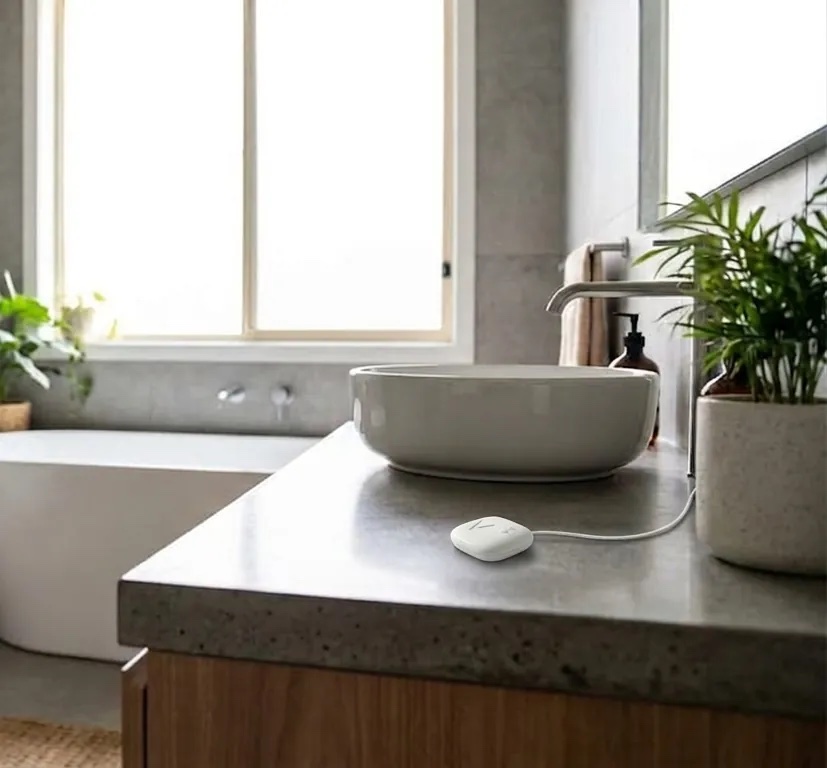
VIOVOC is a wellness product, not a test, and offers a passive way to get fiber guidance. The VIOVOC ambient air bathroom sensor is designed to detect volatile organic compounds (VOCs) associated with gut microbiome activity. Users do not need to collect or mail samples, wear a device, or keep a food diary. Those signals inform the VIOVOC Virtual Fiber Coach, which offers personalized guidance on fiber-rich foods. You can read more on our website.
For me, the exciting idea isn't another task to add to someone's day. It is a wellness experience that asks less of the user while aiming to make feedback more useful. We are building toward a future in which learning about your body feels less like a project and more like part of everyday life.
Why does trust matter for AI wellness tools?
Enthusiasm for technology does not remove the need for trust. McKinsey reports that more than half of consumers use AI for wellness, yet 40% of US consumers worry its advice may be inaccurate. That is an important reminder: access to information and confidence in information are not the same thing.
My view is that the future of wellness must be built on clear explanations, credible evidence, and an honest account of what a tool can and cannot tell you. More data is not automatically more value. A result becomes useful when a person understands its meaning and its limits.
At VIOVOC, that is the standard I want us to hold ourselves to. Our role is not to replace clinical care or promise certainty where it does not exist. It is to pursue useful wellness guidance while keeping the person, rather than the technology, at the center of the experience.
What's next for the future of wellness?
I am optimistic about a future in which wellness becomes more personal, less burdensome, and easier to act on. Self-testing is one expression of that ambition. Passive sensing offers another way to explore it.
For VIOVOC, the opportunity is to connect the curiosity people have about their bodies with guidance they can understand and use. The work ahead is to keep strengthening the evidence, refining the experience, and listening to the people we aim to serve.
A large market creates room for innovation. Earning people's trust is what makes that innovation matter.
That is why I am excited about this moment in wellness and about the future we are working to build at VIOVOC.
Frequently asked questions
- What is VIOVOC? VIOVOC is a gut health technology company. It has developed an ambient air bathroom sensor that detects volatile organic compounds associated with gut microbiome activity, paired with a Virtual Fiber Coach that offers personalized guidance on fiber-rich foods.
- How does VIOVOC track gut health without a stool sample? The VIOVOC sensor analyzes bathroom air for volatile organic compounds (VOCs) associated with gut microbiome activity. Users do not collect or mail samples, wear a device, or keep a food diary.
- What is the VIOVOC Virtual Fiber Coach? The Virtual Fiber Coach uses signals from the VIOVOC sensor to offer personalized guidance on fiber-rich foods.
- How big is the wellness market, according to McKinsey? McKinsey's Future of Wellness 2027 report estimates the global wellness market at $2.7 trillion, with the US market above $700 billion and growing about 5–10% a year.
- Does VIOVOC diagnose medical conditions? No. VIOVOC is for wellness purposes only and does not provide medical advice, diagnosis, or treatment. Always consult a healthcare professional about medical concerns.
About the author
Dr. Anton Decker is Founder & COO of VIOVOC, where he leads operations and commercialization. Dr. Decker is a leading global healthcare executive who thrives at the intersection of high-level strategy and patient-centered care. As the former President of Mayo Clinic International, he oversaw a global footprint, leading operations and partnerships across the Americas, Europe, the Middle East, and Asia. Whether he’s leading massive hospital networks or navigating complex international health initiatives, Anton’s focus is on driving transformation that actually improves lives. At VIOVOC, he brings a world-class strategic mind and a deep commitment to innovation that looks beyond traditional healthcare for answers. He never forgets his roots, growing up in a medical family where no patient was ever turned away. A lover of design and art, he weaves that aesthetic sensibility into everything he builds. Connect with Anton on LinkedIn. Market and consumer findings are drawn from McKinsey & Company's Future of Wellness 2027: Inside the $2.7 trillion takeover, published November 3, 2026. VIOVOC is for wellness purposes only and does not provide medical advice, diagnosis, or treatment. Always consult a healthcare professional about medical concerns.
About the author
Dr. G. Anton Decker
Dr. Anton Decker is a leading global healthcare executive who thrives at the intersection of high-level strategy and patient-centered care. As the former President of Mayo Clinic International, he oversaw a global footprint, leading operations and partnerships across the Americas, Europe, the Middle East, and Asia.
VIOVOC® is for wellness purposes only and does not provide medical advice, diagnosis, or treatment. Always consult with a healthcare professional.